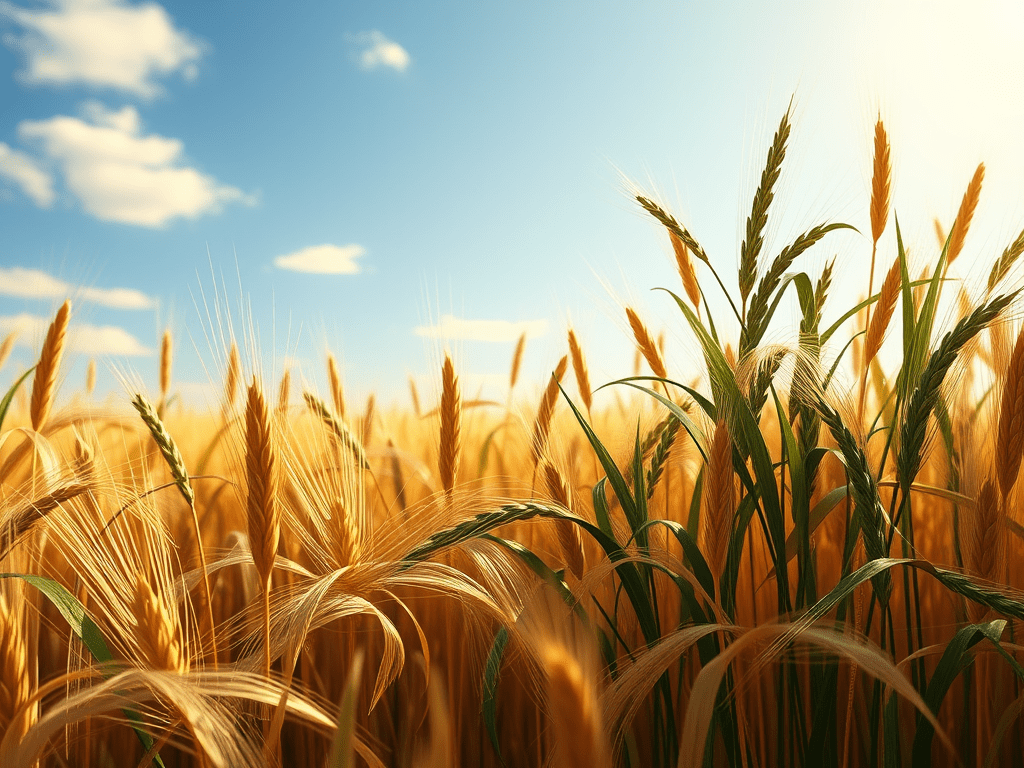
The Parable of the Wheat and the Tares, found in Matthew 13:24–30 and later explained in Matthew 13:36–43, is a profound teaching of Jesus Christ that reveals deep insights into the nature of the Kingdom of Heaven, the problem of evil in the world, and the ultimate triumph of righteousness. This parable employs agricultural imagery to communicate spiritual truths about the coexistence of good and evil and the final judgment. The interpretation of the parable is also provided by Jesus Himself, offering clarity on the symbolism used within the narrative.
The Parable: An Overview
In the parable, a man sows good seed in his field, which represents the Kingdom of Heaven (Matthew 13:24). However, while the workers sleep, an enemy sows tares (weeds, or “darnel” in some translations) among the wheat. The tares resemble wheat during the early stages of growth but produce no edible fruit. When the servants discover the intrusion of the tares, they ask the man if they should pull them up. The man responds that they should allow both to grow together until the harvest, for fear that pulling up the tares might also uproot the wheat. At harvest time, the wheat and tares will be separated— the wheat gathered into the barn, and the tares burned in the fire.
Interpretation of the Parable
1. The Characters and Their Symbolism
Jesus explains the symbols in the parable in verses 36–43, offering direct insight into its meaning:
The Sower: The Sower of the good seed is the Son of Man (Jesus Himself) (Matthew 13:37). He represents God who sows the gospel and establishes the Kingdom of Heaven through the preaching of the Word.
The Field: The field symbolizes the world (Matthew 13:38), where both the good and the evil coexist. This is the sphere in which God’s Kingdom operates, but it is not yet fully realized. The world is the context where the gospel takes root and where evil persists until the end of the age.
The Good Seed (Wheat): The good seed represents the children of the Kingdom, or the faithful believers who receive and respond to the message of Christ (Matthew 13:38). These are the people who live according to God’s will and contribute to the flourishing of His Kingdom on earth.
The Tares (Weeds): The tares represent the children of the evil one, or those who reject God’s message and live in opposition to His will (Matthew 13:38). These individuals, like the weeds, grow among the wheat but do not bear good fruit. The tares are symbolic of evil influences in the world that corrupt or hinder the growth of righteousness.
The Enemy: The enemy who sows the tares is identified as the devil (Matthew 13:39). The devil works to undermine God’s Kingdom by planting falsehood, sin, and corruption among God’s people. The parable acknowledges the presence of evil in the world and the active opposition of Satan to the work of God.
The Harvest: The harvest represents the end of the age, the time when God’s judgment will be executed (Matthew 13:39). This is the moment when Jesus will return to separate the righteous from the wicked. It is a time of ultimate reckoning when the righteous will be rewarded, and the wicked will be cast away.
The Reapers: The reapers are the angels (Matthew 13:39). The angels will be sent to gather the faithful (the wheat) into God’s kingdom, while the wicked (the tares) will be cast into the fire, symbolizing eternal separation from God.
2. Key Themes in the Parable
The Parable of the Wheat and the Tares addresses several key themes, each of which contributes to its larger message about the Kingdom of Heaven and the presence of evil in the world.
Coexistence of Good and Evil: One of the central messages of the parable is the reality of the coexistence of good and evil in the world. The presence of both wheat and tares growing together reflects the tension between the Kingdom of Heaven and the forces of darkness in the present age. While the Kingdom of Heaven has been inaugurated through Jesus Christ, it is not yet fully realized. In the interim, evil persists and threatens to undermine God’s work. However, God’s wisdom and timing allow both to grow until the final harvest.
Divine Patience and Judgment: The man in the parable—who is a representation of Christ or God—commands that the wheat and tares be allowed to grow together until the harvest. This reflects God’s patience and long-suffering nature, allowing time for repentance and redemption (cf. 2 Peter 3:9). However, the final judgment will come, and there will be a clear distinction between the righteous and the wicked. The tares will be burned in the fire (Matthew 13:40), illustrating the certainty of divine judgment at the end of time.
The Role of the Angels: The parable emphasizes that the separation of good and evil is not the responsibility of humans but will be carried out by God’s appointed agents—the angels. This reflects the principle that ultimate judgment belongs to God alone. While humans may not always discern the difference between the righteous and the wicked, God knows the hearts of all people, and the angels will execute His will perfectly (Matthew 13:41–42).
3. Theological Implications
Theologically, this parable underscores several significant truths:
The Present State of the Kingdom of Heaven: The parable highlights the “already but not yet” nature of the Kingdom of Heaven. While the Kingdom is inaugurated through Christ’s ministry, it will not be fully realized until the end of the age. The coexistence of good and evil in the world is a temporary condition that will end with Christ’s return.
Evil in the World: The presence of evil (represented by the tares) in the world is a mystery. The parable does not offer a comprehensive explanation for the existence of evil but simply acknowledges its reality. It also teaches that evil will not have the final say, as God’s judgment will ultimately prevail.
The Final Judgment: The parable assures believers that justice will be done at the end of the age. The righteous will be vindicated and rewarded, while the wicked will face eternal punishment. This serves as both an encouragement to the faithful and a warning to those who do not heed the gospel.
The Role of Christians in the World: While the parable addresses the reality of evil, it also reminds Christians that their task is not to judge or uproot evil prematurely. Rather, believers are to live faithfully, allowing God to work in His timing and trusting that He will bring about justice in the end.
The Parable of the Wheat and the Tares offers profound insights into the nature of the Kingdom of Heaven and the reality of evil in the world. It teaches that while both good and evil coexist in the present age, a final separation will occur at the end of the age, when Christ will judge the world. Until then, God’s Kingdom grows alongside the forces of darkness, and Christians are called to remain faithful, knowing that ultimate justice belongs to God. The parable reassures believers that God’s patience, wisdom, and justice will prevail, and that the final harvest will bring both reward and judgment.
~JH
Bibliography
The Holy Bible, English Standard Version (ESV).
Matthew 13:24–43.
 Seeking Truth in Today's Troubled World
Leave a comment